
If you have searched for utility locators near me, a dig date is probably already on the calendar. A fence crew is booked, a trench has to run from the house to a new garage, or a sprinkler line needs to move. The question underneath is a simple one: what is buried on this property, and who can tell me for sure?
What utility locators actually do
A utility locator finds buried lines, traces where they run, and marks the path on the ground so nobody digs blind. Most of the work uses electromagnetic equipment. A transmitter puts a signal on a metal pipe or cable, and a receiver picks that signal up at the surface. For plastic pipe, concrete, or lines with no signal, crews turn to ground penetrating radar or push rods and sondes.
The result is paint and flags in a standard color code. Red is electric, yellow is gas, orange is communications, blue is potable water, green is sewer, and purple is irrigation or reclaimed water.
Public locates versus utility locating services near me
In Minnesota, a call to 811 reaches Gopher State One Call, which notifies the utility companies so they can mark the lines they own. That service is free and it is required before you dig.
What it does not cover is anything on your side of the meter. The electrical run to the shed, the propane line to the grill, the irrigation system, the invisible pet fence: those belong to the property owner. This is the reason people look for utility locating services near me in the first place. The public call handles the street, and a private locator handles the yard.
What to look for in a locating crew
Not every crew that shows up first in the search results is the right one. A few things separate good locators from average ones:
- Training and gear. Ask what equipment they carry and how long the technician has been in the field. A locator who can explain why a signal is weak is worth more than one who just waves a wand.
- Insurance. Request a certificate. If a mark is wrong and a line gets cut, you want the company standing behind it.
- Documentation. Photos, field notes, and GPS points turn a one-time locate into a record you can reuse for the next project.
- Honesty about limits. Old cast iron, abandoned lines, and noisy sites make some locates harder. A good crew tells you that before the job, not after.
- Scheduling that fits your project. A locate that lands two weeks after your excavator is booked does not help anyone.
Why local experience matters
The Twin Cities have clay soil that holds moisture, ground that freezes hard for months, and plenty of older neighborhoods where owners have added lines over several decades. Locating services near me that actually work in this area know how those conditions change a reading. Our crews work out of Maple Grove and cover Minneapolis and the surrounding suburbs, so we see these conditions every week. You can read more on our Twin Cities metro locating page.
Questions people ask before they book
Does 811 mark my sprinkler lines? No. Public marking stops at the utility’s own equipment. Irrigation is private.
How long does a locate take? Most residential lots take a few hours. Larger or more complicated sites take longer, and we will tell you up front.
When should I book? Before your excavation date, with enough room to rebook if the weather turns. Our crews offer same-week scheduling in most cases.
Book a locate before the first shovel goes in
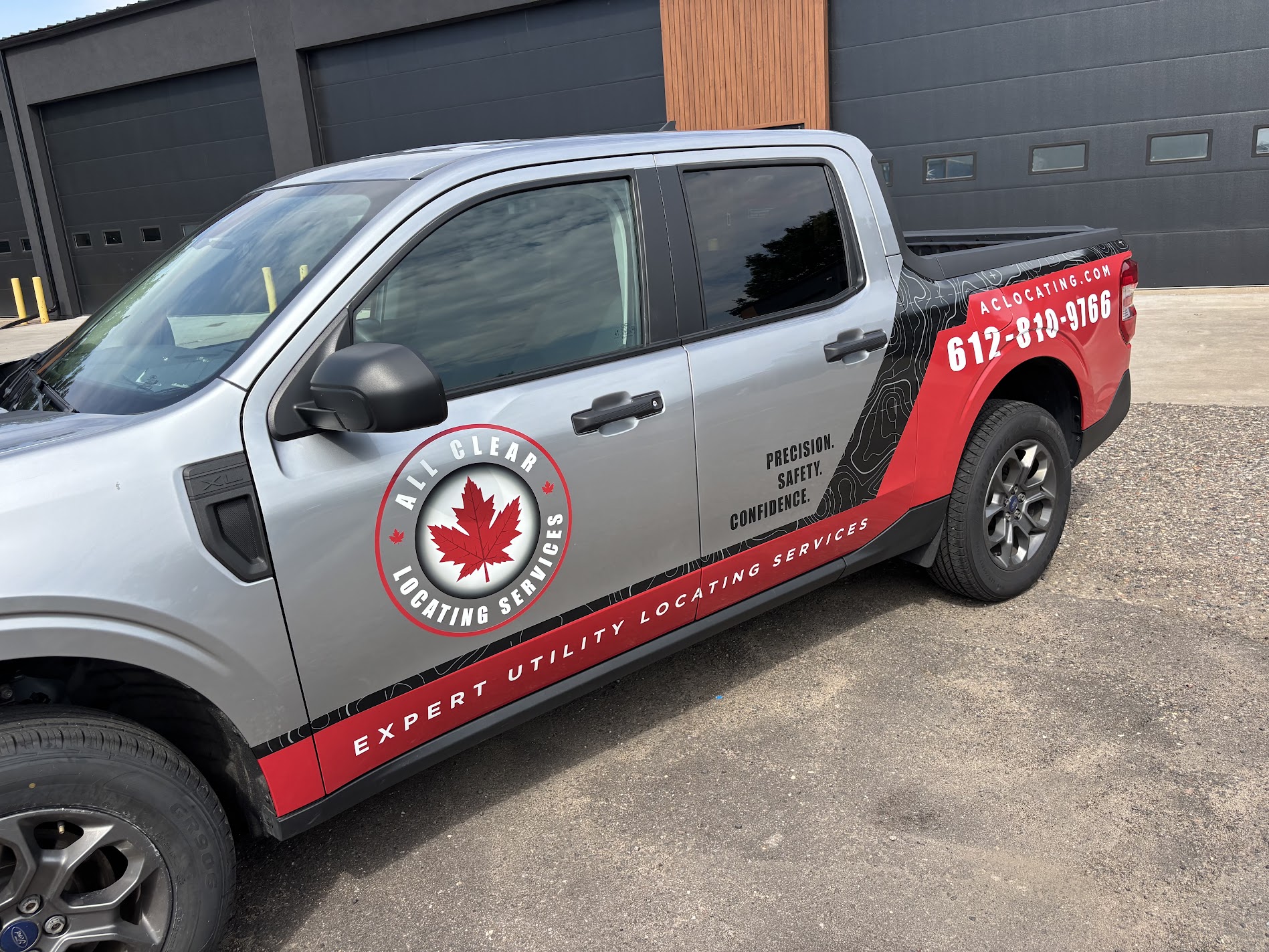
All Clear Locating Services is a veteran-owned, fully insured team based in Maple Grove. We handle private utility locating and underground utility locating for homeowners, contractors, and property managers. Request a free quote or call (612) 810-9766.